Best Equipment to Hire for Concrete Driveway & Pavement Work
Concrete driveway and pavement jobs fail for one of two reasons: the wrong tools, or the right tools used at the wrong stage. If you're planning a driveway pour, resurfacing a pathway or laying pavers, getting equipment hire in Albury sorted before the job starts is what separates a smooth, crack-free finish from a costly redo.
This guide breaks down exactly which equipment you need at each stage of a concrete driveway or pavement project, from site prep through to the final cut.
What Equipment Do You Need to Prepare the Site First?
Every concrete driveway starts below the surface. Before a single bag of cement gets mixed, the base needs to be excavated, levelled and compacted properly, because a weak base is the number one cause of cracking and uneven settling down the track.
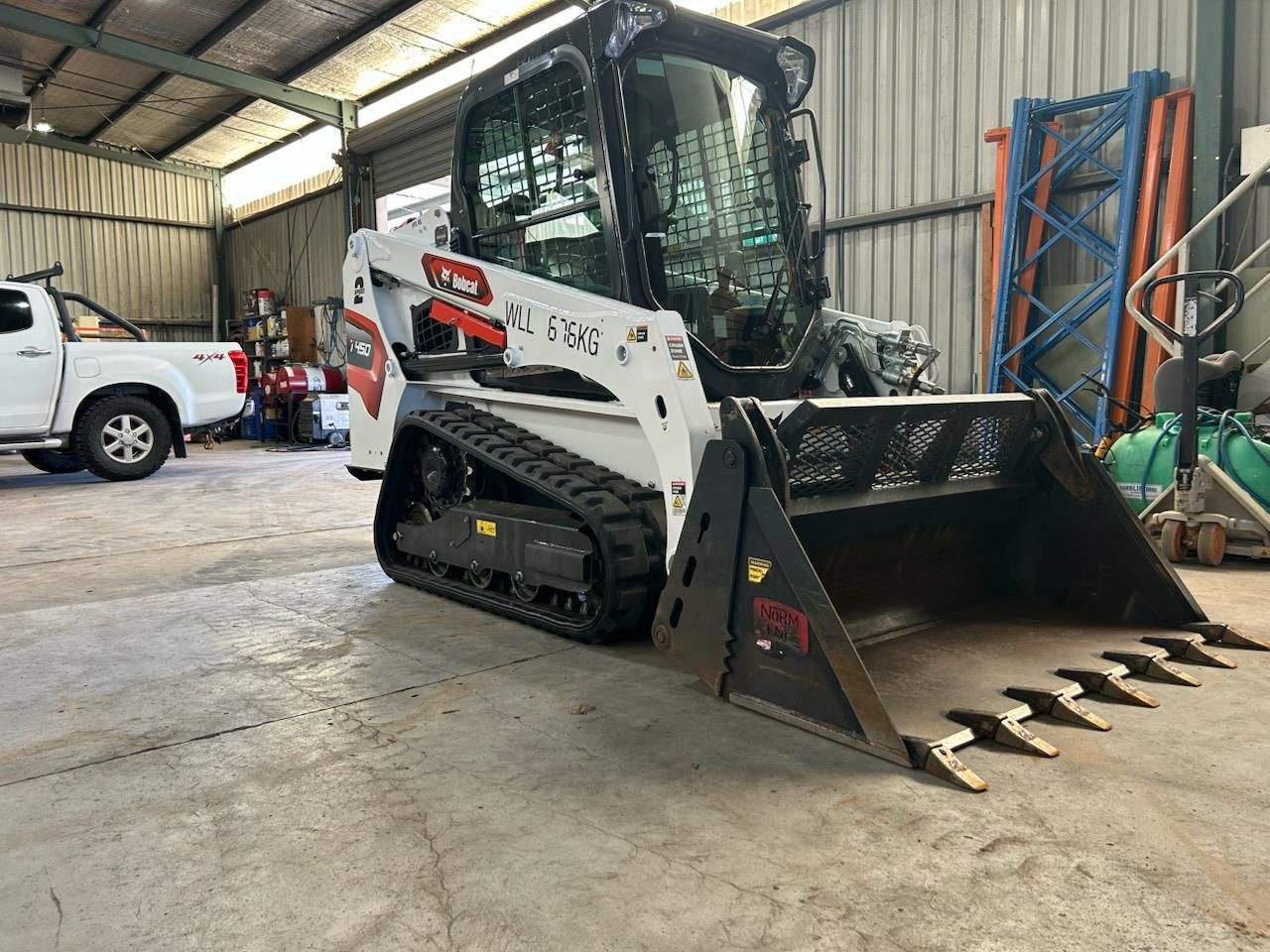
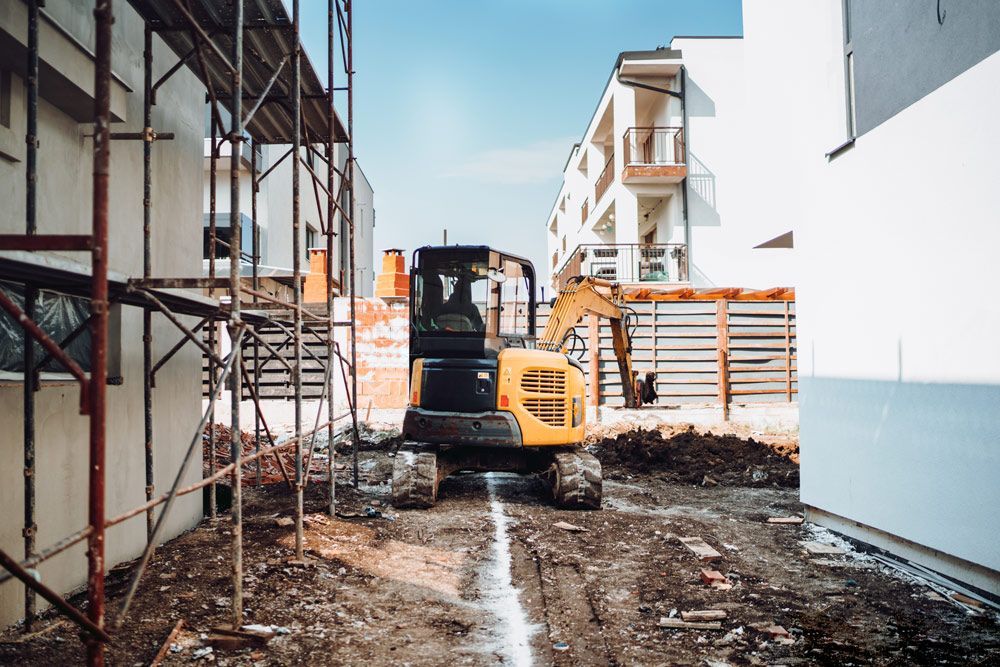
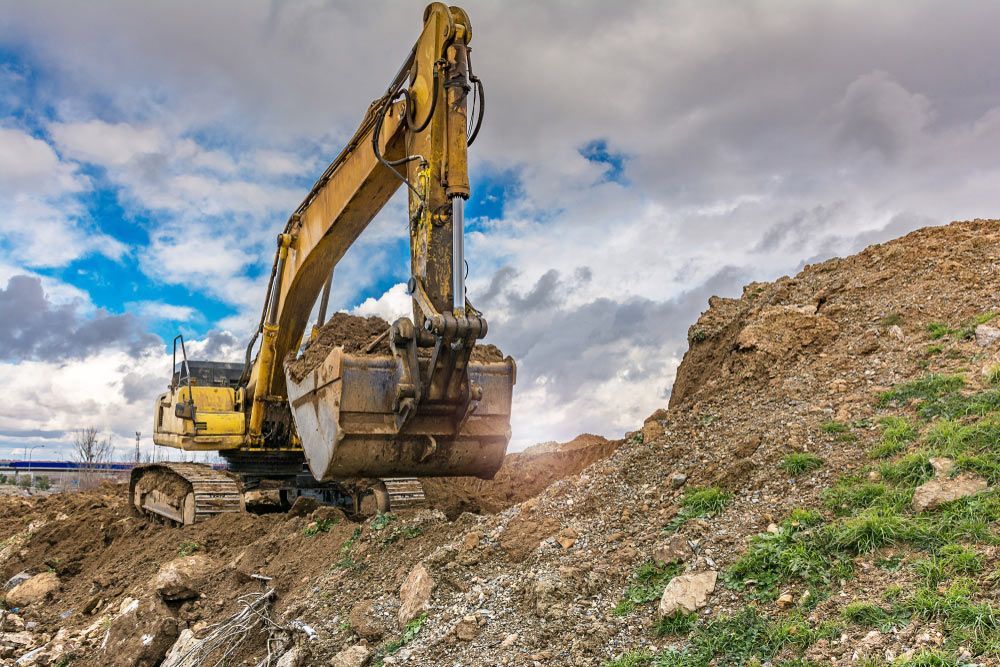
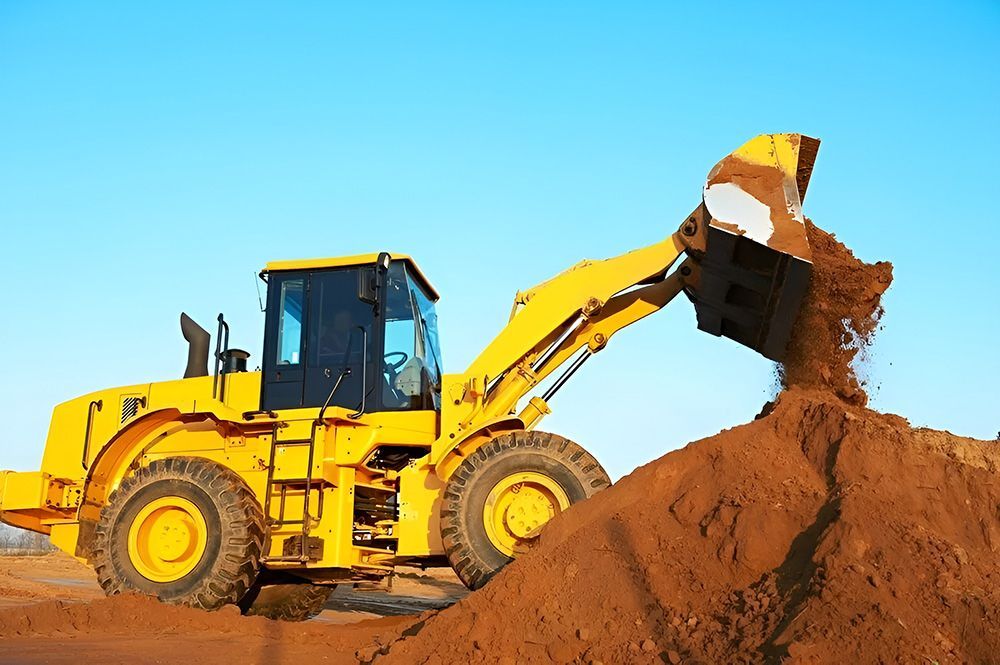
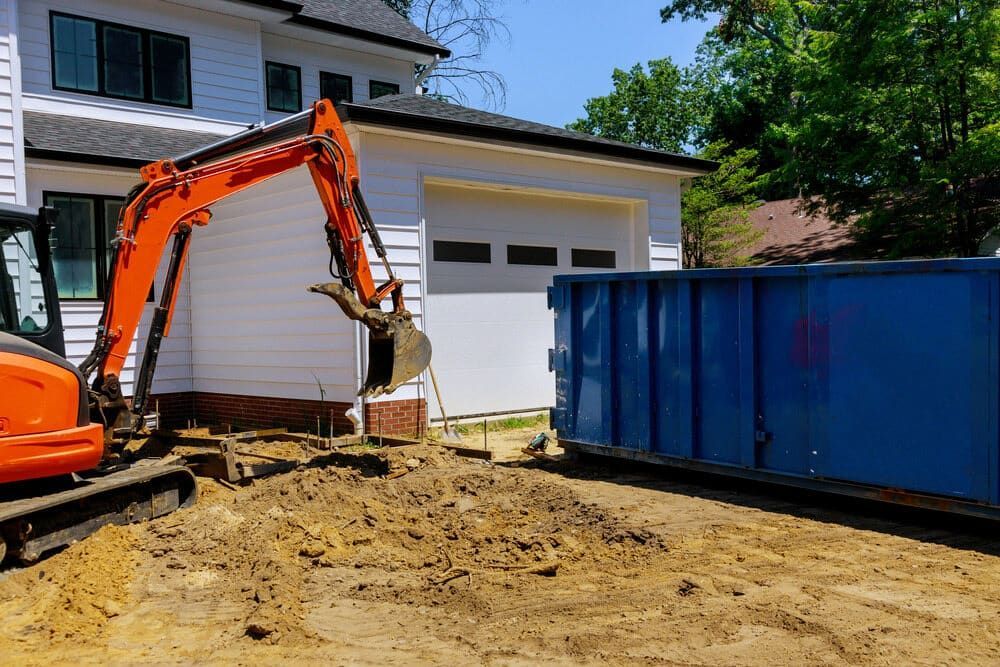
For excavation and grading, a mini excavator or skid steer loader handles soil removal and levelling far faster than manual digging, particularly on driveways with any slope or existing hardscaping to work around. Once the base material is in, a plate compactor is non-negotiable – it compresses the road base or gravel into a stable, even surface that won't shift once concrete goes on top. Skipping compaction is one of the easiest ways to end up with a driveway that cracks within the first year.
A laser level or standard site level also earns its place in the hire order here, since getting the correct fall for water drainage away from the house or boundary is critical for a compliant, long-lasting driveway.
What Equipment is Needed to Mix & Pour Concrete?
Once the base is ready, the pour itself needs the right gear on hand – and timing matters, because concrete starts setting the moment it's mixed. For smaller residential driveways, a towable or petrol concrete mixer lets you produce consistent batches on-site rather than relying entirely on ready-mix delivery timing. Larger jobs typically combine ready-mix trucks with on-site mixers for edge work, patching and smaller sections.
A concrete vibrator is one of the most overlooked tools on a driveway job. It removes trapped air bubbles from the wet mix, allowing the concrete to compact fully around any reinforcement and settle without voids. According to industry best practice, any structural or load-bearing pour, including driveways that need to handle vehicle weight, benefits from vibration to achieve a strong, crack-resistant finish.
Wheelbarrows, screed boards and bull floats round out the pour stage. The screed levels the wet concrete to the correct height using the formwork as a guide, while the bull float smooths the surface and pushes larger aggregate down before finishing work begins.
Which Tools Give a Concrete Driveway Its Finish?
Finishing is where a driveway goes from functional to genuinely good-looking, and it's also where the equipment gets more specialised. A power trowel speeds up the process of smoothing and hardening the surface on larger pours, producing a denser, more durable finish than hand trowelling alone.
For decorative or textured finishes, edgers and groovers shape clean borders and control joints. Control joints aren't cosmetic – they give the concrete a deliberate place to crack as it cures and contracts, protecting the rest of the slab from random surface cracking.
If the driveway includes an exposed aggregate, polished or coloured finish, a concrete grinder or polisher brings out the aggregate or achieves the sheen without damaging the surface underneath. This is genuinely specialist equipment, and it's worth hiring from a supplier who actually stocks a wide range of concrete finishing tools rather than a generic hire outlet with only one or two options.
What Equipment Cuts & Shapes Concrete After It's Cured?
Cutting concrete is a different job entirely to placing it, and it needs different equipment. Regular circular saws or angle grinders without the correct blade aren't built for the density of cured concrete – they wear out fast and can be dangerous to use on masonry.
A concrete saw fitted with a diamond blade is purpose-built for cutting control joints, trimming edges or removing sections of an old driveway during a resurfacing job. Wet saws are generally preferred over dry-cutting equipment because they cut dust significantly and keep the blade cool during longer cuts, which extends blade life and improves cut quality.
For pavement work specifically – pathways, courtyards or paved sections alongside a driveway – a wet saw with the right diamond blade also handles clean cuts on pavers, brick and natural stone without chipping the edges.
Should You Hire or Buy Equipment for a Driveway Project?
For most homeowners and even many contractors, hiring makes more financial sense than buying for a one-off or occasional driveway job. A concrete mixer, plate compactor, power trowel and diamond saw represent a serious upfront investment if bought outright, and most of that equipment will sit idle between projects.
Hiring also means access to well-maintained, safety-checked equipment without the storage, servicing or depreciation headache. As an example, a Wodonga-based landscaper taking on three or four residential driveway jobs a year is generally better off hiring specialised finishing and cutting equipment for each job rather than owning a full fleet that mostly gathers dust in the shed.
Contractors running concrete jobs regularly may find it worthwhile to buy core tools – a mixer or compactor, for instance – while still hiring specialised or occasional-use gear like power trowels, polishers and diamond saws as each project demands.
Get the Right Gear for Your Next Concrete Job
A concrete driveway or pavement project only goes as well as the equipment behind it. Getting the base prep, pour, finish and cutting stages each matched with the correct tool is what delivers a result that actually lasts, rather than one that needs patching up within a year or two.
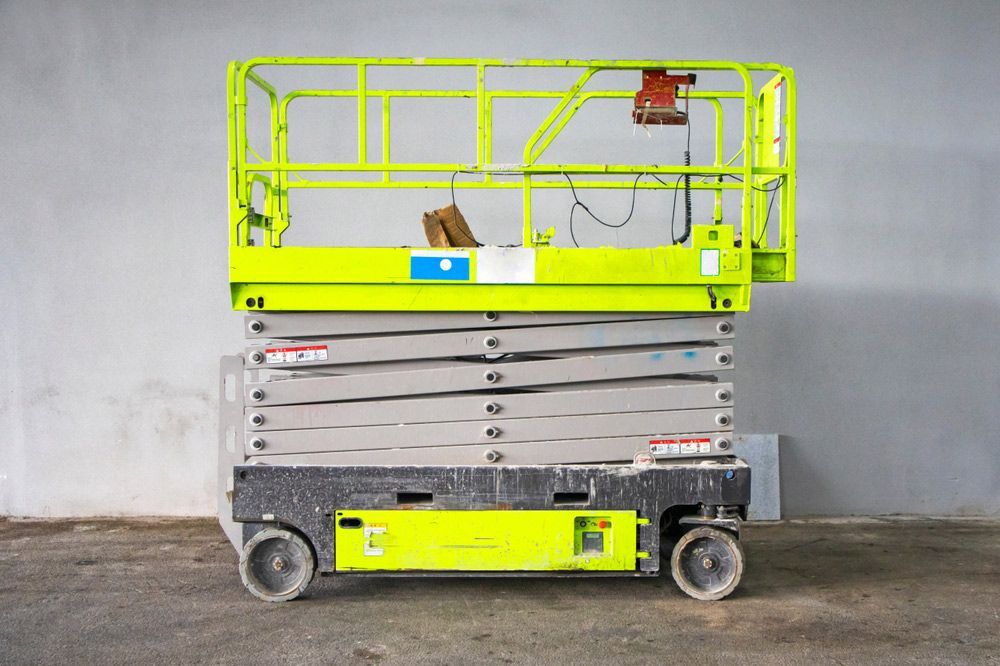
At Hamblin Hire, we stock one of the largest ranges of concrete finishing tools and diamond blades in the Albury Wodonga region, alongside compaction, earthmoving and access equipment to cover every stage of a driveway or pavement job. Drop into our showroom or give the team a call to talk through equipment hire in Albury and exactly what your project needs.
Frequently Asked Questions
What's the most important piece of equipment for a concrete driveway pour?
A plate compactor for base preparation and a concrete vibrator for the pour itself are the two most critical tools. Skipping either significantly increases the risk of cracking or uneven settling later on.
Can I cut concrete with a regular angle grinder?
Not safely or effectively. A dedicated concrete saw fitted with a diamond blade is built to handle the density and dust of cutting cured concrete, and using standard tools can damage the equipment or create a safety risk.
Do I need a concrete vibrator for a small driveway?
Yes, even smaller pours benefit from vibration, since it removes trapped air that would otherwise weaken the slab and lead to surface voids or cracking.
What equipment do I need for an exposed aggregate driveway finish?
A concrete grinder or polisher is used after curing to expose and finish the aggregate. This is more specialised equipment, so it's worth confirming availability with your hire company before finalising the project timeline.
Is it cheaper to hire or buy concrete equipment for a one-off project?
For a single driveway or pavement job, hiring is almost always more cost-effective than buying, since it avoids the upfront cost, storage and maintenance of equipment that won't be used regularly.
How far in advance should I book equipment hire for a driveway job?
Booking ahead, particularly for specialised finishing tools and diamond saws, helps avoid delays, since concrete work is time-sensitive and equipment needs to be on-site exactly when each stage of the pour requires it.